September 11, 2026 · Operation Forgotten Heroes
The 9/11 Generation Comes Home: Why a New Wave of Veterans Needs Care Built for Them
The attacks of September 11 sent a generation to war. A quarter century later, that generation is still coming home — and the wounds they carry call for a different kind of care.
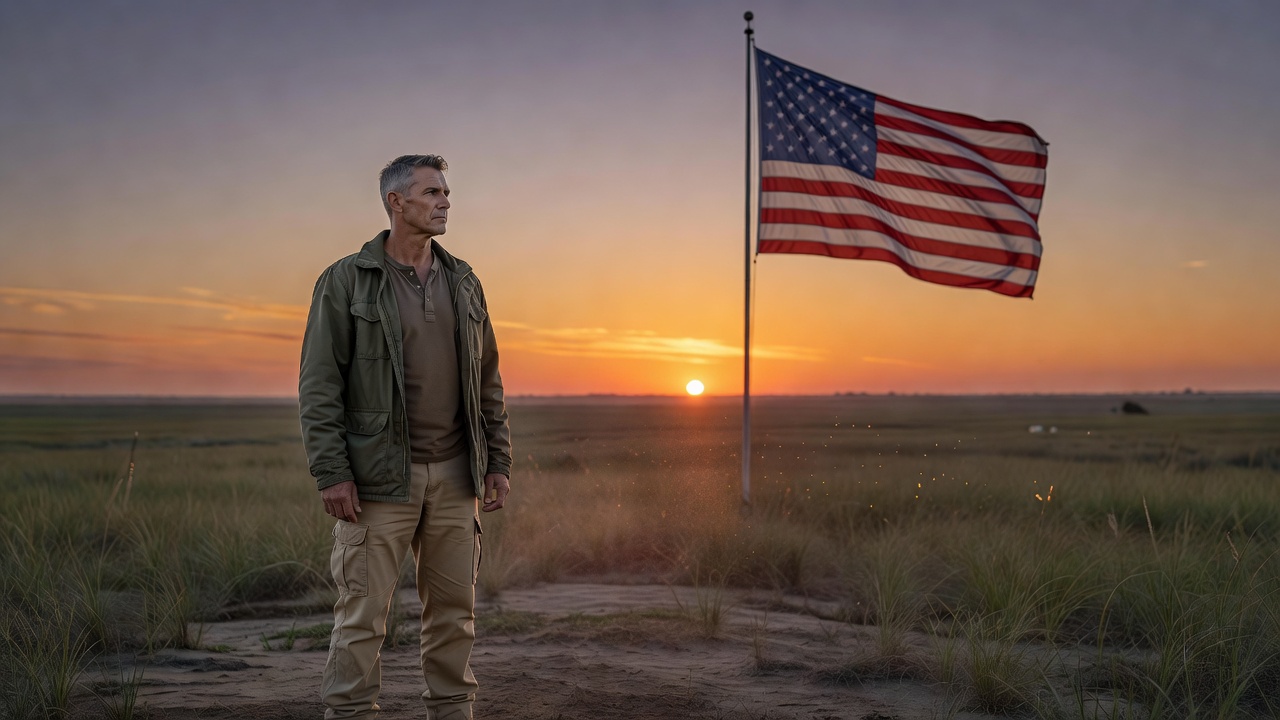
On this day, we remember. We remember the lives lost on September 11, 2001, and we remember what came after — the men and women who raised their hands and went to fight the wars that followed. What began that morning became the longest era of sustained combat in American history, and the veterans of Operation Enduring Freedom, Operation Iraqi Freedom, and the missions that continue to this day are still living with what they carried home.
They are, by and large, a younger generation. Many deployed more than once — three, four, five times — cycling between the war and a home that could never quite understand it. And a quarter century on, the cost of those years is showing up in ways the country is only beginning to reckon with.
A different war, a different wound
The post-9/11 wars were unlike those that came before. There were no clear front lines. The threat could come from anywhere — a roadside, a crowd, a checkpoint — which meant the body never fully stood down. Repeated deployments stacked trauma on top of trauma. Advances in battlefield medicine meant far more service members survived injuries that would once have been fatal, coming home with traumatic brain injuries and bodies and minds that would need years of care.
The result is a generation carrying an outsized burden of post-traumatic stress. National research now shows that PTSD is concentrated among younger veterans — those who served in this era are dramatically more likely to screen positive than veterans of older generations. For many, PTSD does not travel alone. It arrives tangled up with substance use, as alcohol or drugs become the only thing that seems to quiet the noise — and with moral injury, the deep wound of having seen or done things that sit crossways with who a person believes themselves to be.
Why the old models do not fit
Much of the care system these veterans return to was built for a different generation and a different set of wounds. It can be slow, fragmented, and hard to navigate — a maze of waitlists and handoffs at exactly the moment a veteran has finally worked up the nerve to ask for help. Too often, a younger veteran reaches out once, hits a wall, and does not reach out again.
This generation also faces a stubborn stigma. They were trained to be the strong one, the one who carries others. Admitting they are struggling can feel like a betrayal of everything they were. And when the treatment they are offered addresses the PTSD but not the drinking, or the addiction but not the trauma underneath it, it rarely holds. These wounds are connected. The care has to be, too.
Care built for who they are
That is exactly the gap Operation Forgotten Heroes exists to close. We build our care around this generation — not around a system’s convenience. That means meeting veterans where they are, moving fast when a veteran is finally ready, and treating post-traumatic stress and substance use together, because for so many of these veterans they are two sides of the same struggle.
It means peer support at the center of everything — because a younger veteran is far more likely to trust someone who has worn the same boots and walked the same road back. It means a real continuum of care, someone walking alongside a veteran from the first crisis call through treatment, housing, and recovery, rather than handing them off and hoping. And it means being reachable in the ways this generation actually lives — including through our mobile app, so help is never further away than the phone in their pocket.
The best way to remember is to show up
Twenty-five years ago, a generation answered the call. On this September 11, the most meaningful way we can honor them is not with words alone, but by answering theirs — by making sure that the veteran struggling tonight with the weight of those years has someone who understands on the other end of the line.
We remember the fallen. And we fight for the living. That is the whole of why Operation Forgotten Heroes is here.